
w
Enter Main Site

t
Customer
Workcenter

e
How to find us

r
Forms and Applications

q
BEST Complex

Frequently Asked
Q
uestions


What's New
--------------------------------------------------

--------------------------------------------------

Summer Operating Hours at our Nederland facility – 6:30am to 4:00pm.  All current scheduling is still available.
--------------------------------------------------

We will be closed on Friday, March 29th in observance of the Good Friday holiday.

--------------------------------------------------

17th Annual Safety Awards Program

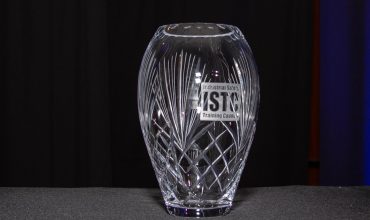
Each year the Industrial Safety Training Council sponsors a program to recognize the safety achievements of contractors working in the Gulf Coast area.

The presentation of the ISTC safety award plaques is part of a comprehensive safety awards program which the Association’s Curriculum and Program Committee has developed to promote contractor safety and accident prevention in the petroleum, refining and petrochemical manufacturing industries and related services of Southeast Texas.  The award publicly recognizes the excellent record of safety operations attained by contractors working in these industries.  The Safety Award recipients will be honored at our 17th Annual Safety Awards Banquet to be held on May 09, 2013 at the Holiday Inn Beaumont Plaza, Beaumont, Texas.

This packet contains complete information on the program.  Please note that the deadline for submitting awards applications, GTBR Safety Survey and Company Information is April 5, 2013.

--------------------------------------------------

Get Ready, Get Set…
Implementing the revisions to the Hazard Communication Standard!


Here are 8 steps your organization can take during the phase-in period to prepare for full compliance with GHS:

1. Have a hazard communication plan. Maintain a checklist of key plan components and review
it annually.

2. Inventory your on-site chemicals and make sure you have a complete library of MSDSs and SDSs as you get them.

3. Prepare yourself for the eventual switchover from MSDS to SDS. If you’re still using paper, consider transitioning to electronic system.

4. Make sure your alternative labeling system is GHS compliant.

5. Start developing a training plan for your employees now. Have a plan and make sure employees are ready to read GHS compliant SDSs and labels.

6. Stay current on OSHA, including federal, state and local requirements. Keep an eye on GHS, looking out for key dates that will have an impact on your plan.

7. Request GHS-compliant SDSs from your chemical vendors. Talk to your chemical suppliers and ask about their plans to transition to GHS. Make sure your staff is on the lookout for SDSs with new shipments.

8. Stay SARA compliant. Update local and state emergency response agencies when new chemical hazard information becomes available. (SARA is the Superfund Amendments and Reauthorization Act, which requires facilities who are subject to OSHA's hazardous chemical requirements to submit (M)SDSs or a hazardous chemical list to local and state authorities.)

By following these steps, you'll be well on your way to preparing for the new requirements.


Click here to view more information


--------------------------------------------------

Upgraded Background Check Graded® Package 2.0

Effective February 1, 2012, the Industrial Safety Training Council will be releasing an upgraded version of the current reciprocal Background Check Graded® (BCG®) Package in a new release known as BCG® 2.0. The new package will be available for ordering through the ISTC website on February 1, 2012.

Click here to view more information

--------------------------------------------------

ISTC named one of 100 Best Companies to Work for in Texas 2011, 2012, 2013

 --------------------------------------------------


BOP Study Guide

This BOP Study Guide was developed to provide help to trainees taking the BOP course. This study guide provides written introduction of many of the safety principles that will be presented in that course. This study guide also introduces numerous safety terms used in the BOP course. Becoming familiar with these safety terms will promote better understanding of the course material and the course exam.
Click Here for more info.

---------------------------------------------------